Understanding Executive Coaching
In today’s fast-paced business environment, the need for effective leadership is more critical than ever. Organizations often wonder how they can elevate their teams from good to exceptional. This is where executive coaching Connecticut comes into play. It is not merely about correction; it is about fostering growth and preparing your leaders for future challenges. Here, we delve into what executive coaching entails, its purpose, and the unique advantages it offers to organizations striving for excellence.
What is Executive Coaching and Its Purpose?
Executive coaching is a professional development process wherein a coach partners with an individual or a group of leaders to enhance their skills and decision-making capabilities. The primary goal is to facilitate personal and professional growth by providing tailored guidance and support. This goes beyond mere training; it involves creating a structured environment where leaders can reflect on their experiences, set specific goals, and develop actionable strategies to achieve them.
Key Benefits of Executive Coaching for Organizations
- Improved Leadership Skills: Coaching enhances the ability of leaders to inspire and motivate their teams, leading to higher performance overall.
- Enhanced Communication: Effective coaching fosters improved communication skills, which are crucial for team collaboration and conflict resolution.
- Increased Employee Engagement: Leaders who undergo coaching are more likely to engage their teams, resulting in lower turnover rates and higher job satisfaction.
- Better Decision Making: Coaches help leaders gain clarity and perspective, making them more decisive and confident in their choices.
The Role of an Executive Coach in Leadership Development
An executive coach acts as a trusted partner and guide, providing constructive feedback and accountability while creating a safe space for leaders to explore their thoughts and feelings. Coaches utilize various tools and techniques to help individuals identify their strengths, weaknesses, and areas for improvement. This relationship is built on trust, allowing for honest dialogue that can lead to significant personal and organizational transformation.
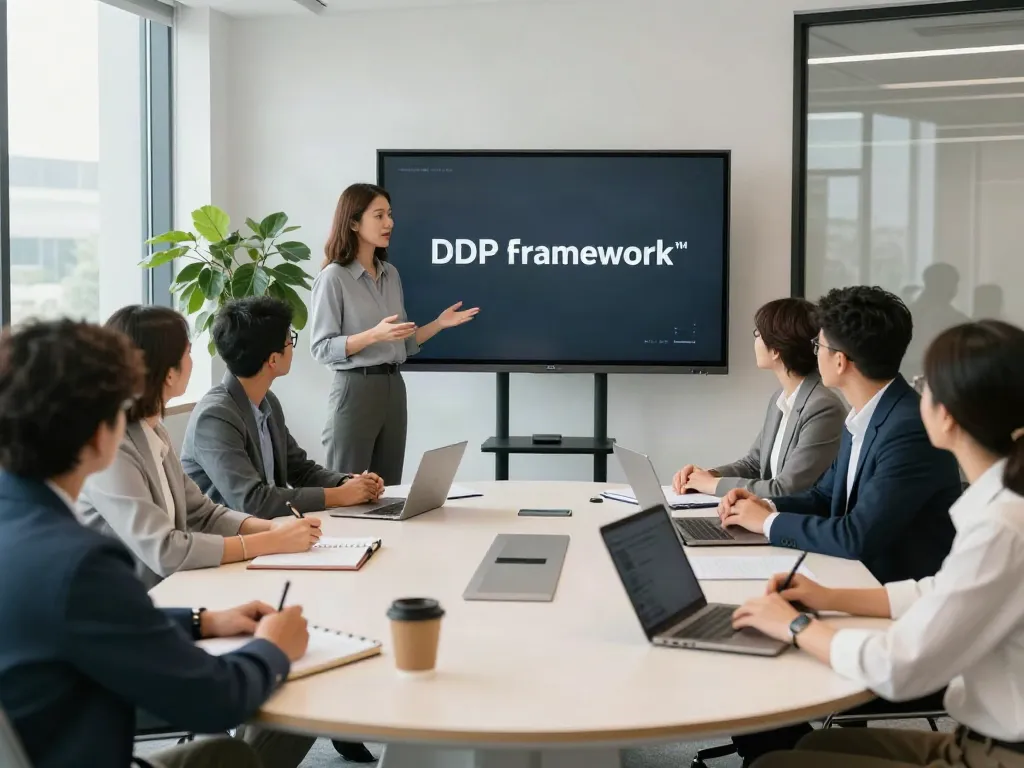
The DDP Framework™: Desire, Drive, Purpose
At the core of DK Brand Collective's approach is the DDP Framework™, which stands for Desire, Drive, and Purpose. This framework serves as a comprehensive guide to leadership development, ensuring that coaching initiatives are not only effective but also aligned with organizational goals.
Explaining the DDP Framework™ in Context
The DDP Framework™ is designed to foster a culture of growth within organizations. Each element of the framework plays a vital role:
- Desire: Identifying what leaders and teams want to achieve. This creates intrinsic motivation and a personal connection to developmental goals.
- Drive: Nurturing the ambition and energy necessary to reach those goals. This includes cultivating resilience and a proactive approach to challenges.
- Purpose: Aligning individual goals with organizational vision. This ensures that as leaders grow, their development contributes to overall success.
How DDP Framework™ Drives Leadership Transformation
The DDP Framework™ is more than a set of principles. It is a roadmap for sustainable leadership transformation. By focusing on the desires of leaders, fostering their drive, and ensuring alignment with the organization's purpose, the framework sets the stage for meaningful, long-lasting change. This holistic approach encourages leaders to view their development as an ongoing journey rather than a series of discrete events.
Aligning Organizational Goals with DDP Framework™ Strategies
For effective implementation, organizations must ensure that their goals are reflected in the coaching strategies derived from the DDP Framework™. This means regularly assessing the alignment between individual aspirations and organizational objectives to create a compounding effect of growth at both the micro and macro levels.
Building a Culture of Continuous Development
Creating a culture that prizes continuous development is essential for organizations aiming to remain competitive. This culture should empower employees to embrace personal growth and foster a mindset that sees learning as a lifelong endeavor.
Creating Growth Mindsets Within Teams
Encouraging a growth mindset involves instilling the belief that abilities and intelligence can be developed over time. Leaders can model this mindset through their actions by taking risks, seeking feedback, and celebrating failures as learning opportunities. This attitude can significantly impact team dynamics and overall productivity.
Strategies to Foster a Spirit of Learning
- Regular Training Sessions: Organize workshops and training sessions that emphasize skill enhancement and knowledge sharing.
- Mentorship Programs: Establish mentorship opportunities where experienced leaders can guide newer team members.
- Open Feedback Channels: Create a culture where feedback is welcomed and viewed as a tool for growth, rather than criticism.
Recognizing and Rewarding Employee Growth
Recognition plays a crucial role in fostering a culture of development. When organizations celebrate achievements, both big and small, they reinforce the behavior they want to see more of. This can include formal awards, recognition programs, or even simple acknowledgments in team meetings that highlight individual contributions.
Measuring the Impact of Coaching
To understand the effectiveness of executive coaching, organizations must establish clear metrics for success. This involves identifying key performance indicators (KPIs) that can provide insight into the changes resulting from coaching initiatives.
Key Performance Indicators for Executive Coaching Success
- Employee Engagement Scores: Measuring how engaged employees feel within the organization can indicate the effectiveness of coaching on morale.
- Retention Rates: Analyzing turnover rates before and after coaching initiatives can provide insight into the program's success.
- Performance Metrics: Tracking individual and team performance against established goals can demonstrate the impact of enhanced leadership capabilities.
Assessing Behavior Changes and Leadership Growth
Behavioral change can be assessed through self-reported surveys, 360-degree feedback mechanisms, and performance evaluations. These tools can help identify shifts in leadership style, decision-making, and interpersonal effectiveness, providing a comprehensive view of coaching impact.
Feedback Mechanisms to Evaluate Coaching Effectiveness
Feedback is vital for improving the coaching process. Organizations should establish regular check-ins and formal reviews to gather insights from those undergoing coaching, as well as their peers and supervisors. This continuous feedback loop ensures that coaching remains relevant and effective.
Future Trends in Executive Coaching
As the business landscape evolves, so too must the approaches to executive coaching. Anticipating future trends can help organizations stay ahead of the curve and continue to develop effective leaders.
Emerging Coaching Techniques for 2026 and Beyond
New coaching techniques are emerging that focus on holistic personal development, integrating emotional intelligence, and cognitive behavioral strategies to ensure well-rounded leaders. Additionally, coaching will likely incorporate more innovative approaches, such as virtual reality and AI-driven analytics.
Integrating Technology into Executive Coaching
Technology will play an increasingly prominent role in executive coaching. From virtual platforms connecting coaches and clients to data analytics measuring progress and outcomes, technology will streamline processes and enhance the overall experience.
Anticipating Changes in Leadership Development Needs
As businesses navigate uncertainties and the rapid pace of change, leaders will need to develop competencies that emphasize agility, emotional intelligence, and strategic thinking. Adapting coaching methodologies to address these evolving needs will be essential for organizations committed to fostering their leaders' growth.
What is the average cost of an executive coach?
The price of executive coaching can vary significantly based on factors such as the coach's experience, the industry, and the length of the coaching engagement. On average, organizations can expect to pay anywhere from $200 to over $500 per session, depending on the coach's qualifications and the coaching structure.
What is the 70/30 rule in coaching?
The 70/30 rule in coaching suggests that 70% of learning occurs through hands-on experience and practical application, while 30% comes from formal training and coaching sessions. This emphasizes the importance of situational learning and application to truly internalize lessons.
How much do executive coaches charge per session?
As mentioned earlier, executive coaching rates can range widely, with many coaches charging between $150 to $500 per hour. It's crucial for organizations to consider both the investment and potential return on this critical development opportunity.
What is the 80/20 rule in coaching?
The 80/20 rule, also known as the Pareto Principle, in coaching implies that 80% of results can come from 20% of the efforts. For leaders, this means identifying high-impact behaviors or strategies that can yield significant outcomes for their teams and organizations.
How can organizations prepare for coaching sessions?
Preparation for coaching sessions is vital for maximizing value. Organizations should encourage leaders to reflect on their goals and outcomes, provide them with necessary context or materials, and facilitate open discussions during coaching to ensure alignment and effectiveness.