Understanding Mini Split Air Conditioners
The modern demand for efficient and flexible cooling solutions has led to the rise of mini split air conditioners. These systems are designed to provide targeted climate control in specific areas, offering significant advantages over traditional HVAC systems. With their compact size and minimal installation requirements, mini splits have become a popular choice for many homeowners and businesses alike. When exploring options, mini split of air conditioner provides comprehensive insights into the various models available, helping consumers make informed decisions.
What is a Mini Split Air Conditioner?
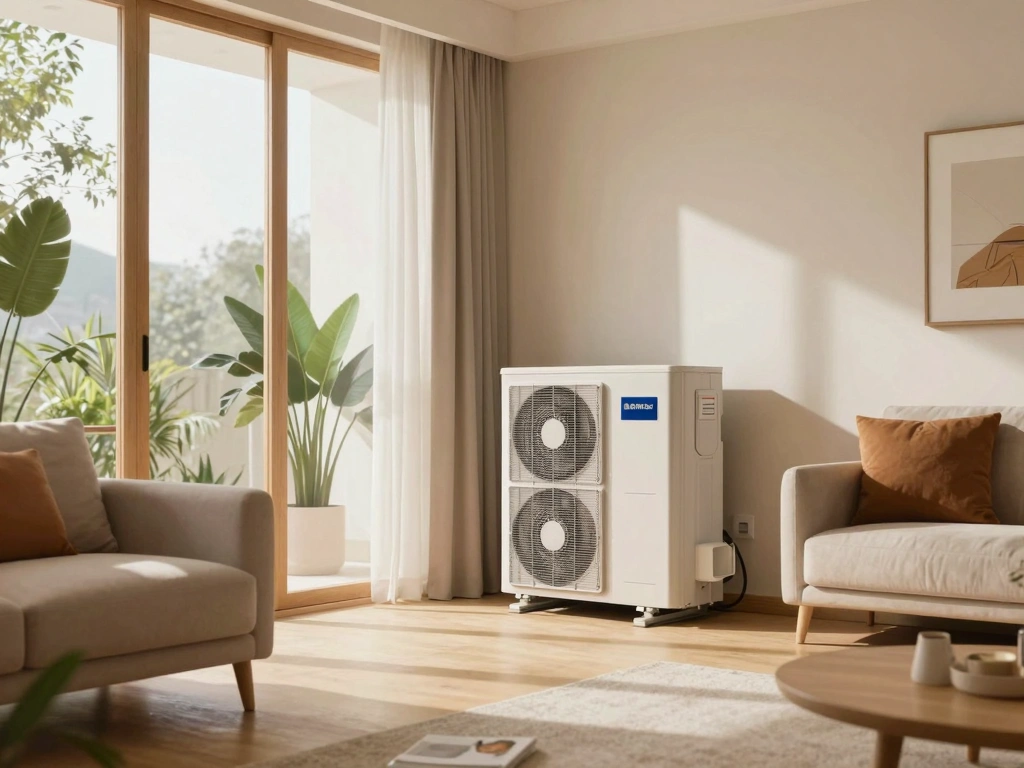
A mini split air conditioner, also known as a ductless mini split, is an HVAC system that allows for independent heating and cooling in different zones of a building without the need for ductwork. This design consists of two primary components: an outdoor compressor unit and one or more indoor air-handling units. The two units are connected by refrigerant lines and electrical wiring, enabling efficient temperature control for individual spaces.
Mini splits are especially advantageous in homes without existing duct systems or for those looking to extend their heating and cooling solutions to specific areas such as sunrooms, attics, or converted garages.
Benefits of Using Mini Split Systems
- Energy Efficiency: Mini splits are known for their high energy efficiency ratings (SEER), which can significantly reduce heating and cooling costs.
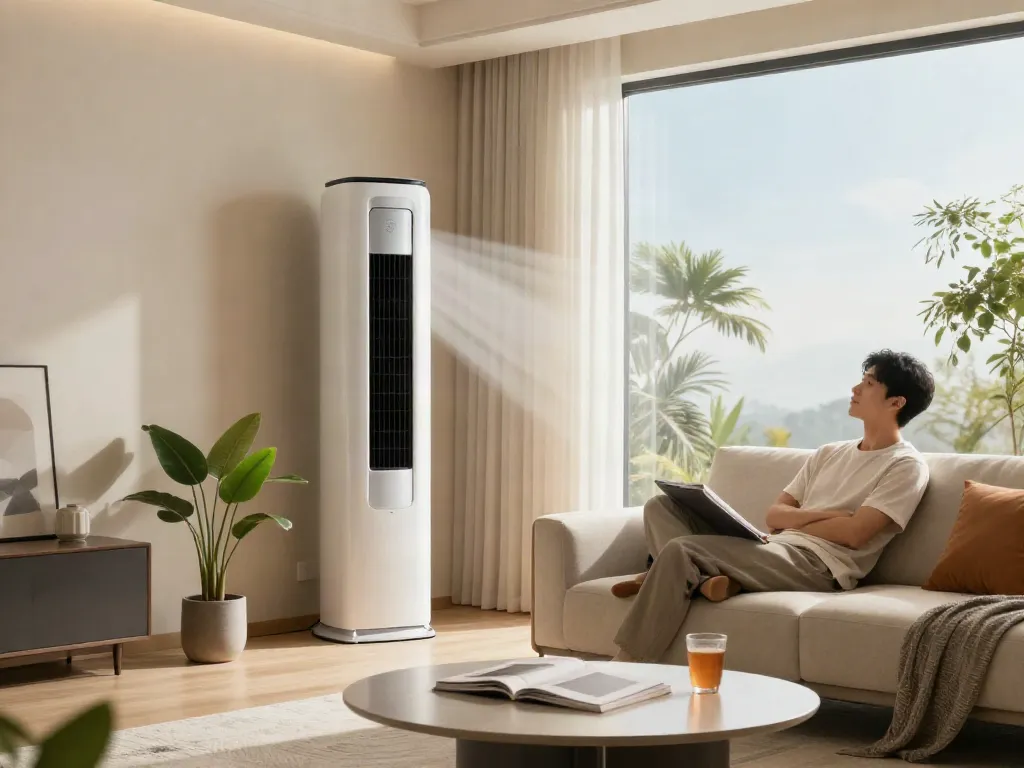
- Flexible Installation: The absence of ductwork allows for various installation options, including wall-mounted, ceiling-mounted, or floor-standing systems.
- Zone Control: Each indoor unit can be controlled independently, allowing users to set different temperatures for different areas of the home.
- Quieter Operation: Mini splits operate more quietly compared to traditional systems, as the noisier components are placed outdoors.
- Improved Air Quality: These systems often come with advanced filtration options that help improve indoor air quality by reducing allergens and pollutants.
How Mini Splits Work: Components and Mechanics
Understanding the mechanics of mini split air conditioners is crucial for appreciating their efficiency. The key components include:
- Outdoor Unit: Houses the compressor, condenser coil, and fan, responsible for dissipating heat absorbed from the indoor units.
- Indoor Unit: Contains the evaporator coil and fan, distributing cool air into the living space.
- Refrigerant Lines: Carry refrigerant between the indoor and outdoor units, facilitating heat exchange.
The operation begins when the indoor unit absorbs heat from the room air, which evaporates the refrigerant within the coil. The compressor then pumps this refrigerant to the outdoor unit, where it releases the heat and condenses back into a liquid state. This cycle repeats, maintaining a comfortable indoor environment.
Installation Process and Considerations
Steps for Installing a Mini Split of Air Conditioner
Installing a mini split air conditioner involves several key steps, which can typically be performed by a qualified HVAC technician. Here’s an overview of the installation process:
- Planning: Determine the number of indoor units needed based on the spaces you wish to cool or heat.
- Location Selection: Identify suitable locations for both the indoor and outdoor units, ensuring accessibility and adequate airflow.
- Mounting the Indoor Unit: Secure the indoor unit to the wall or ceiling as specified by the manufacturer, often involving brackets and specific height placement.
- Installing the Outdoor Unit: Place the outdoor unit on a stable platform or preceded pad, ensuring it’s level and away from obstructions.
- Connecting Refrigerant Lines: Carefully connect the refrigerant lines and electrical wiring between the indoor and outdoor units.
- Testing the System: Once installed, the system should be tested for proper operation and any leaks in the refrigerant lines.
Common Installation Challenges and Solutions
While installation can be straightforward, several challenges may arise:
- Space Constraints: Limited space for the outdoor unit can impede installation. Always plan for adequate airflow and access.
- Electrical Requirements: Ensure a dedicated electrical circuit is available for the outdoor unit to avoid trip hazards.
- Refrigerant Line Length: If the distance between indoor and outdoor units is too great, longer refrigerant lines may be necessary, which can incur additional costs.
Choosing the Right Location for Your Unit
The location of the indoor and outdoor units significantly impacts the efficiency and performance of a mini split system. Consider the following:
- The indoor unit should be positioned to maximize airflow throughout the space.
- Avoid placing the outdoor unit where it could block airflow or collect debris.
- Consider the aesthetics of the installation, particularly for indoor units that will be visible in living spaces.
Efficiency and Cost Savings
How Mini Splits Save on Energy Costs
Mini splits can provide substantial savings on energy costs compared to traditional HVAC systems. The ability to cool or heat specific zones means you only use energy where it is needed, thereby avoiding waste associated with cooling unused areas. Additionally, their inverter technology allows them to adjust power consumption based on demand, further enhancing efficiency.
Comparative Energy Efficiency: Mini Splits vs. Traditional Systems
In a typical comparison, mini split systems have SEER (Seasonal Energy Efficiency Ratio) ratings often exceeding 20, whereas many traditional central air systems range from 13 to 16 SEER. This variance illustrates why mini splits are a more energy-efficient option, particularly in homes where zoned cooling or heating is beneficial.
Long-Term Financial Benefits of Mini Split Systems
Investing in a mini split air conditioner can lead to significant long-term financial benefits. While the upfront installation costs may be higher than traditional systems, the reduced energy costs, enhanced comfort, and lower maintenance requirements can yield savings over the lifespan of the unit. Additionally, many utility companies offer rebates for energy-efficient installations, which can offset initial costs further.
Maintenance and Troubleshooting Tips
Regular Maintenance Practices for Optimal Performance
To ensure your mini split system operates efficiently, adhere to a regular maintenance schedule that includes:
- Cleaning or replacing filters monthly to maintain airflow and efficiency.
- Checking and cleaning the outdoor unit to prevent debris buildup.
- Inspecting refrigerant lines for leaks or signs of wear.
Common Issues and Fixes for Mini Split Systems
Even with regular maintenance, issues can arise. Common problems include:
- Insufficient Cooling/Heating: This may result from dirty filters, low refrigerant levels, or mechanical failure.
- Noisy Operation: Secure loose components and check for obstructions that might be causing noise.
When to Call a Professional Technician
While many issues can be resolved through DIY efforts, certain situations warrant professional assistance. If you experience persistent problems, such as unusual noises, refrigerant leaks, or complete system failure, it is best to contact an HVAC technician for a thorough diagnosis and repair.
Future Trends in Mini Split Technology
Innovative Features in 2026 Models
As technology advances, mini split air conditioners are becoming more sophisticated. Upcoming models are expected to feature:
- Smart technology integration for enhanced control through mobile apps and voice commands.
- Improved energy efficiency ratings with the introduction of eco-friendly refrigerants.
- Advanced filtration systems capable of eliminating finer particles and allergens.
Emerging Technologies in Energy Efficiency
The future of mini split technology looks promising with emerging advancements in energy efficiency. Innovations such as variable refrigerant flow (VRF) technology and AI-based energy management systems aim to optimize performance while minimizing energy use, creating a more sustainable environment.
Predictions for the Mini Split Market in the Coming Years
The mini split market is projected to grow significantly in the next few years, driven by rising consumer awareness about energy efficiency and the increasing demand for customizable climate control solutions. As more homeowners seek to enhance their indoor comfort while reducing their carbon footprint, mini split air conditioners will remain at the forefront of HVAC innovations.
What are the downsides of a mini-split AC system?
Despite the many advantages, mini split systems also have some downsides. These can include higher initial costs compared to traditional systems, potential aesthetic concerns with indoor units, and the necessity for professional installation. Additionally, some users may find that multiple indoor units can require more comprehensive planning and management.
Why is my electric bill so high with mini split?
If an electric bill is higher than expected when using a mini split system, factors might include insufficient insulation in the home, improper unit sizing, or inefficient use of the cooling and heating settings. Ensuring that the system is appropriately sized for the space and utilizing energy-saving modes can help manage costs effectively.
What is the typical cost of installing a mini split system?
The cost of installing a mini split system varies based on several factors, including the number of indoor units, the complexity of the installation, and local labor rates. On average, homeowners can expect to pay between $3,000 and $5,000 for a complete installation, with prices increasing for additional features or higher-end models.
Are mini-splits good for air conditioning?
Yes, mini-splits are excellent for air conditioning, particularly for specific zones or rooms. They offer flexibility, energy efficiency, and customizable comfort, making them a preferred choice for modern homes and businesses. Their ability to function independently in different areas sets them apart from traditional systems, providing tailored solutions to meet various cooling needs.