The Importance of Automated Bagging Solutions in Modern Manufacturing
In today’s fast-paced manufacturing landscape, the quest for efficiency and precision is more critical than ever. Automated bagging solutions have become an essential component in streamlining packaging processes across various industries. These advanced systems not only enhance productivity but also minimize errors, ensuring that products are delivered in an optimized manner. As manufacturers strive to meet increasing demand, the integration of automated bagging machines significantly improves operational efficiency, allowing businesses to stay competitive in a demanding market.
When exploring options, automated bagging solutions offer comprehensive insights into how technology can transform traditional packaging operations into agile, high-speed processes.
Understanding Automated Bagging Technologies
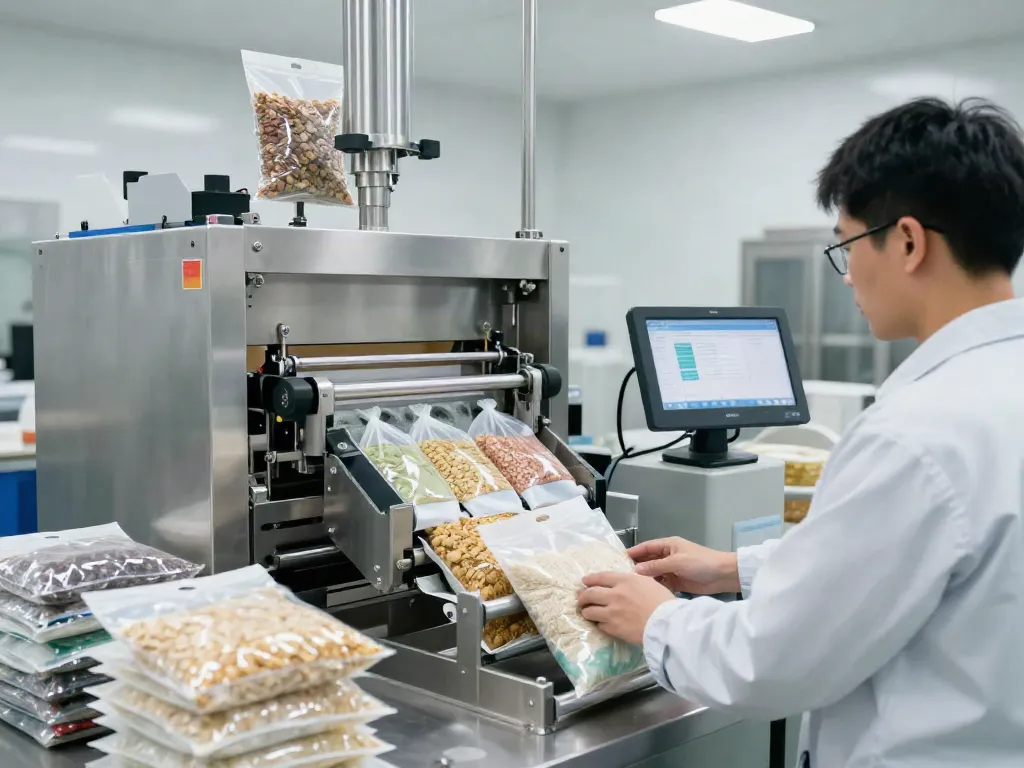
Automated bagging machines utilize cutting-edge technology designed to handle various packaging tasks seamlessly. These machines are capable of automatically placing bags, filling them with products, and sealing them without manual intervention. The technology often involves sensors, programmable logic controllers (PLCs), and advanced software that optimizes the entire bagging process.
Significant advancements, such as integration with robotics and artificial intelligence, have led to the development of intelligent systems that adapt to variations in product characteristics, ensuring minimal downtime and consistent output.
Key Benefits of Automation in Packaging
- Increased Efficiency: Automated systems can achieve higher throughput compared to manual operations, handling thousands of bags per hour.
- Consistency and Quality: Automation reduces the risk of human error, ensuring uniformity in the size and weight of packaged goods.
- Cost Savings: By minimizing labor costs and material waste, automated bagging systems contribute to significant operational savings.
- Flexibility: Modern automated baggers can be easily adjusted to accommodate different bag sizes and product types, enhancing versatility.
In an era where consumer demands are constantly evolving, the ability to scale operations quickly and efficiently is a valuable asset for manufacturers.
Addressing Common Misconceptions about Automated Solutions
Despite the clear advantages of automated bagging solutions, many businesses hesitate to adopt them due to misconceptions. One prevalent belief is that automation requires a significant upfront investment, making it financially unfeasible for smaller operations. However, advancements in technology have made these solutions more accessible, with options suitable for various budget sizes.
Another misconception is that automated systems are difficult to operate and maintain. In reality, many automated bagging machines are designed with user-friendly interfaces and require minimal training for staff. Moreover, regular maintenance schedules can be established to ensure long-lasting performance and reliability.
How Automated Bagging Enhances Efficiency and Productivity
Streamlining Packaging Processes with Automation
The introduction of automated bagging solutions has the potential to significantly streamline packaging operations. Automation eliminates the need for manual labor in tasks such as bag placement and sealing, which are often time-consuming and prone to errors. Consequently, manufacturers can focus their human resources on more value-added activities, such as quality control and product development.
Furthermore, automated bagging systems are capable of working continuously without fatigue, resulting in sustained output levels throughout production runs.
Comparing Manual vs. Automated Packaging Methods
When comparing manual versus automated packaging methods, the differences are significant. Manual packaging relies heavily on the physical labor of workers, which can lead to inconsistencies and slower processing times. In contrast, automated bagging systems provide precision and speed, operating with minimal human intervention. This switch not only increases throughput but also reduces labor-related costs.
For instance, a typical manual bagging line may produce 300-500 bags per hour, while an automated system can easily exceed 1,000 bags per hour, depending on the application and configuration.
Measuring Productivity Gains in Various Industries
Productivity gains from automated bagging solutions can be observed across a variety of industries, including food, pharmaceuticals, and consumer goods. In the food sector, for example, precision in packaging is paramount for maintaining hygiene and freshness, and automated systems excel in providing these attributes. In pharmaceuticals, where compliance and traceability are crucial, automation enhances accuracy and reliability.
Detailed analyses indicate that companies adopting automated systems see productivity increases ranging from 20-50%, along with a marked decrease in operational costs.
Choosing the Right Automated Bagging Solution for Your Needs
Factors to Consider When Selecting Equipment
Selecting the right automated bagging solution involves considering several factors. First, the type of product being packaged plays a crucial role. Products can vary in size, weight, and consistency, requiring specific machines designed to handle these variations. Additionally, the production environment, including factors like temperature and humidity, should also be evaluated.
Another important aspect is the desired output speed. Businesses must align their automation needs with their production goals, ensuring the selected system can accommodate expected volumes.
Customizable Options for Diverse Product Types
One of the strengths of automated bagging solutions is their customizability. Many machines come equipped with features that allow for adjustments in bag sizes and types, enabling manufacturers to switch between products with ease. This flexibility is particularly beneficial for companies that produce seasonal or varied product lines, providing the ability to adapt swiftly to market changes.
Real-World Application Examples in Different Sectors
Numerous industries have successfully implemented automated bagging systems, demonstrating their versatility and effectiveness. For example, in the agricultural sector, automated systems have been used to efficiently package seeds and fertilizers, significantly speeding up the distribution process. Similarly, in the e-commerce industry, automated baggers are utilized to rapidly fulfill orders, ensuring timely delivery to consumers.
By analyzing these real-world applications, businesses can glean insights into how automated solutions can be tailored to their unique operational needs.
Best Practices for Implementing Automated Bagging Systems
Step-by-Step Guide to Integrating Automation in Your Workflow
Implementing an automated bagging system should be a well-planned process. Begin by assessing current packaging workflows to identify bottlenecks and inefficiencies. Next, engage with solution providers to understand the range of available technologies and determine which systems align with your operational goals.
Once a solution is selected, develop a detailed implementation plan that includes timelines, training schedules, and maintenance protocols to ensure a smooth transition.
Training Staff for Efficient Operation of Automated Solutions
Training is a crucial component of the successful adoption of automated bagging systems. Staff should be provided with comprehensive training on machine operation, troubleshooting, and maintenance practices. This not only empowers employees but also minimizes the risk of operational hiccups.
Safety Protocols and Maintenance Tips for Machinery
With the implementation of automated systems, safety protocols become increasingly important. Regularly scheduled maintenance checks should be conducted to prevent mechanical failures that could lead to accidents or production delays. Additionally, operators should be trained to identify potential safety hazards associated with machinery, ensuring a safe working environment.
Future Trends in Automated Bagging Solutions for 2026 and Beyond
Emerging Technologies in Packaging Automation
The packaging industry is witnessing rapid technological advancements that promise to shape the future of automated bagging solutions. Innovations such as smart sensors, IoT connectivity, and machine learning algorithms are being integrated into automated systems, enabling real-time monitoring and enhanced decision-making capabilities.
These developments will allow for even greater flexibility and efficiency in packaging processes, as systems will be able to adapt on-the-fly to production changes or disruptions.
Predictions for Industry Evolution and Adaptation
As we move towards 2026, it is expected that the demand for automated bagging solutions will continue to grow. Companies that embrace these technologies will likely lead the charge in improving operational efficiency and customer satisfaction. Those resistant to change may find themselves lagging behind competitors who leverage automation for faster and more reliable packaging solutions.
The Role of Sustainability and Eco-Friendly Practices
In the coming years, sustainability will play an increasingly vital role in shaping packaging practices. Automated bagging solutions are evolving to incorporate eco-friendly materials and energy-efficient operations. Manufacturers are exploring biodegradable and recyclable packaging options to align with consumer preferences for sustainable products.
As regulations surrounding sustainability become more stringent, companies will need to adopt automated solutions that not only streamline operations but also meet these environmental standards.
What are the best automated bagging systems?
The best automated bagging systems are those that combine speed, accuracy, and versatility, allowing manufacturers to package a variety of products efficiently. Systems equipped with advanced technology such as robotics and AI are leading the way in innovation.
Who are some manufacturers of automated bagging machines?
Leading manufacturers of automated bagging machines include Durzerd, Sealed Air, and Audion, among others. These companies provide a range of solutions tailored to meet diverse packaging needs across various sectors.
How much does a packsize machine cost?
The cost of a packsize machine can vary significantly based on its specifications and capabilities. On average, prices range from a few thousand dollars for basic models to several hundred thousand for more advanced systems with extensive features.
Is Amazon packing automated?
Yes, Amazon utilizes advanced automated systems in its fulfillment centers, employing robotics to streamline its packing and shipping processes. This level of automation allows Amazon to handle high volume orders efficiently while maintaining accuracy in deliveries.
What industries benefit most from automated packaging solutions?
Industries such as food and beverage, pharmaceuticals, e-commerce, and consumer goods have seen substantial benefits from automated packaging solutions, enhancing both their efficiency and product integrity.