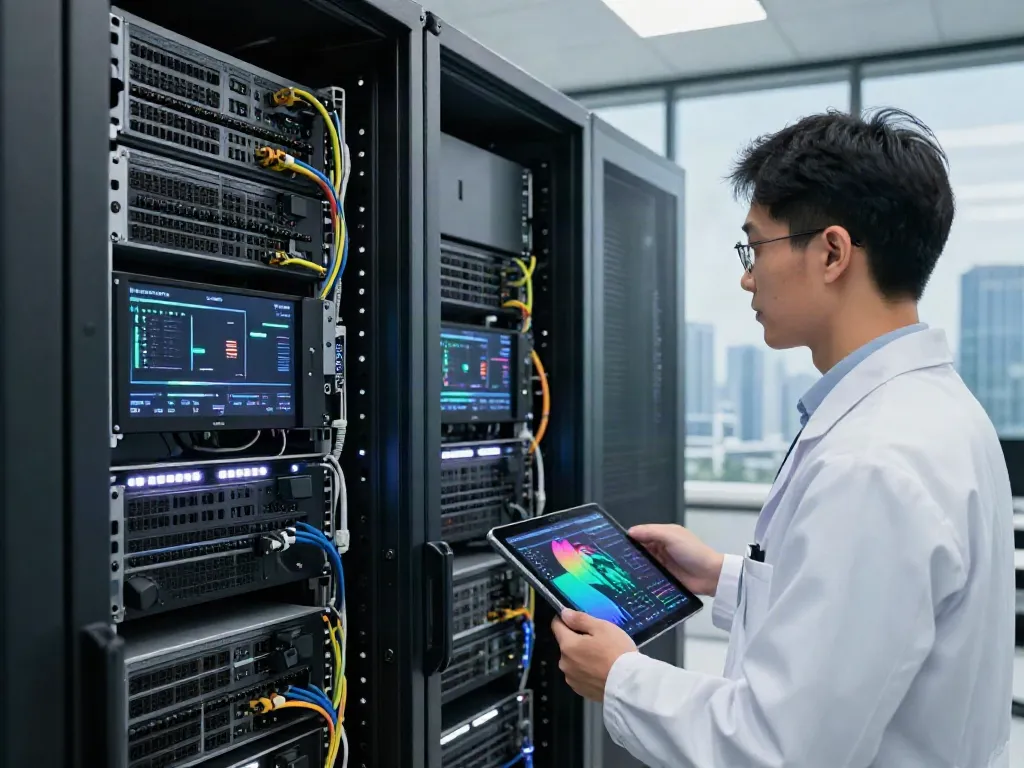
Understanding AI Infrastructure in 2026
As we navigate through 2026, the significance of AI infrastructure is more pronounced than ever. Businesses and organizations are increasingly leveraging artificial intelligence (AI) to enhance decision-making processes, optimize operations, and drive innovation. Thus, robust AI infrastructure has emerged as a critical backbone to support these advancements. This infrastructure involves a complex interplay of hardware, software, and power systems designed to facilitate the development, deployment, and management of AI applications. When exploring options, AI infrastructure provides comprehensive insights into how these components work collectively to empower AI capabilities.
What is AI Infrastructure?
AI infrastructure refers to the combination of hardware and software components that are necessary to build, deploy, and manage AI models. This infrastructure typically includes high-performance computing units, such as Graphics Processing Units (GPUs), as well as storage systems that accommodate vast amounts of data required for training AI algorithms. The efficiency and effectiveness of AI applications largely depend on the quality and configuration of this infrastructure. As AI technology advances, the underlying infrastructure must also evolve to keep pace with the growing computational demands.
Core Components of AI Infrastructure
To comprehend AI infrastructure effectively, it's essential to identify its core components, which can be categorized into the following:
- Hardware: This includes computing resources like CPUs, GPUs, and specialized AI chips that carry out complex calculations swiftly and efficiently.
- Storage: AI applications require extensive storage solutions to manage large datasets, which can include databases, data lakes, and cloud storage.
- Networking: High-speed networking capabilities allow seamless data transfer between devices, facilitating efficient communication among various components of the AI ecosystem.
- Software: This encompasses AI frameworks, libraries, and tools that assist in creating, training, and deploying AI models.
The Role of Power in AI Operations
Power management is a vital aspect of AI infrastructure, as AI workloads are inherently power-intensive. Efficient power provisioning and management help ensure that AI operations run smoothly, with minimal downtime or latency. This involves not only the allocation of sufficient power to computing resources but also the implementation of sustainable and renewable energy sources to mitigate environmental impact. With the rise of AI factories, stakeholders must prioritize reliable power supply solutions to drive efficiencies across their operations.
Participating in the AI Token Economy
The concept of the AI Token Economy is gaining traction as businesses seek ways to monetize their AI capabilities. By participating in this economy, individuals and organizations can contribute to the power needs behind AI operations while potentially earning rewards based on their contributions. Understanding how this economy functions and the infrastructure that supports it is essential for any stakeholder looking to maximize their involvement.
How AI Infrastructure Supports Token Services
AI infrastructure plays a crucial role in enabling token services. Tokens represent computational units used for billing based on AI model usage, similar to how kilowatt-hours measure electricity consumption. With a well-structured AI infrastructure, organizations can seamlessly process these tokens, ensuring accurate billing and resource allocation. This not only enhances operational transparency but also fosters trust among participants in the AI Token Economy.
Measuring Contributions and Rewards
One of the key elements of participating in the AI Token Economy is understanding how contributions are measured and rewarded. Each plan a participant engages with tracks the amount of electricity supported and the corresponding AI workloads processed. This tracked data is crucial for determining the share of contribution and the rewards associated with it. The complexities of this system necessitate a transparent platform that can effectively process and calculate these contributions.
Power Plans: What You Need to Know
To become active participants in the AI Token Economy, individuals must select suitable power plans that align with their goals and capacities. Various plans are available, ranging from core power access for beginners to advanced plans catering to large-scale operations. Each plan offers distinct features, such as enhanced power allocation and scalability options, ensuring that users can choose a plan that meets their unique requirements.
Challenges and Misconceptions
Despite the promising landscape of AI infrastructure and the Token Economy, several challenges and misconceptions persist. Addressing these can help stakeholders adopt a more informed approach to AI operations.
Common Misunderstandings About AI Infrastructure
Many people mistakenly believe that AI infrastructure only pertains to the physical hardware, overlooking the importance of software, data management, and power supply. A comprehensive understanding of AI infrastructure encompasses all these components, as they collectively enable efficient AI operations.
Scalability Issues in AI Operations
Scaling AI operations can present significant challenges, particularly concerning power supply and infrastructure management. As demand for AI services grows, organizations must ensure that their infrastructure can scale efficiently without compromising performance or reliability.
Addressing Power Supply Concerns
Power supply reliability remains a critical concern for many AI operations. Fluctuations in energy availability and costs can hinder consistent performance. Addressing these concerns involves not only investing in reliable energy sources but also exploring innovative power management strategies that ensure sustainability and efficiency.
Best Practices for AI Infrastructure Implementation
To optimize AI infrastructure and ensure smooth operations, organizations should adopt best practices that enhance performance and resource management.
Establishing Efficient Power Management
Implementing a power management strategy that prioritizes efficiency is essential for maintaining operational continuity. This can include using renewable energy sources, employing energy-efficient hardware, and implementing real-time monitoring systems to track power consumption.
Integrating Advanced Technologies
The rapid pace of technological innovation in AI presents opportunities for organizations to enhance their infrastructure. Utilizing advanced technologies such as AI-driven analytics and machine learning can optimize resource allocation and improve overall system performance.
Monitoring and Improving Performance Metrics
Continuous monitoring of performance metrics is essential for identifying areas for improvement and ensuring that AI infrastructure meets operational goals. By leveraging analytical tools, organizations can gain insights into workload performance, resource utilization, and efficiency levels.
Future Trends in AI Infrastructure
The landscape of AI infrastructure is expected to evolve significantly. Emerging trends will shape how organizations design and implement their AI operations.
Innovations Shaping AI Infrastructure
Emerging technologies, such as quantum computing and edge computing, will transform AI infrastructure. These innovations promise to enhance processing speeds and reduce latency, allowing for more sophisticated AI applications.
Global Adoption and Regional Variations
As AI infrastructure continues to develop, regional differences in technology adoption and infrastructure investment will become more pronounced. Organizations must be aware of these variations to tailor their strategies effectively.
Predictions for AI Infrastructure Beyond 2026
Looking ahead, AI infrastructure is poised to become increasingly integrated with other technological domains. This will create opportunities for collaborative solutions that drive innovation across various sectors, enhancing overall operational efficiencies and value creation.
What is the impact of renewable energy on AI infrastructure?
Renewable energy sources are becoming vital for powering AI infrastructure, mitigating environmental impacts, and lowering operational costs. Organizations that adopt sustainable energy solutions can enhance their resilience and align with global sustainability goals.
How to choose the right power plan for AI services?
Choosing the appropriate power plan involves assessing organizational needs, potential workload demands, and scalability requirements. Participants should consider their goals and select a plan that best aligns with their operational capacities and desired outcomes.
What are the key components of effective AI infrastructure?
Effective AI infrastructure encompasses a combination of high-performance computing resources, robust storage solutions, efficient networking capabilities, and advanced software tools. Together, these components facilitate seamless AI operations.
How can individuals participate in the AI Token Economy?
Individuals can engage in the AI Token Economy by choosing suitable power plans that allow them to support AI operations. Through these plans, participants can contribute to the infrastructure while earning rewards based on their contributions.
What future technologies will enhance AI infrastructure?
Future technologies, including AI-driven optimization tools, quantum computing, and advancements in networking, will significantly enhance AI infrastructure capabilities. Organizations that embrace these technologies will be better positioned to harness the full potential of AI.